

Electrical faults can be dangerous, expensive, and sometimes even life-threatening, especially in the workplace. To keep employees safe and remain compliant with safety regulations, workplaces need to take proactive steps to manage electrical risks. One of the most effective ways to do this is through test and tag, a standardized process for checking the safety of portable electrical appliances.
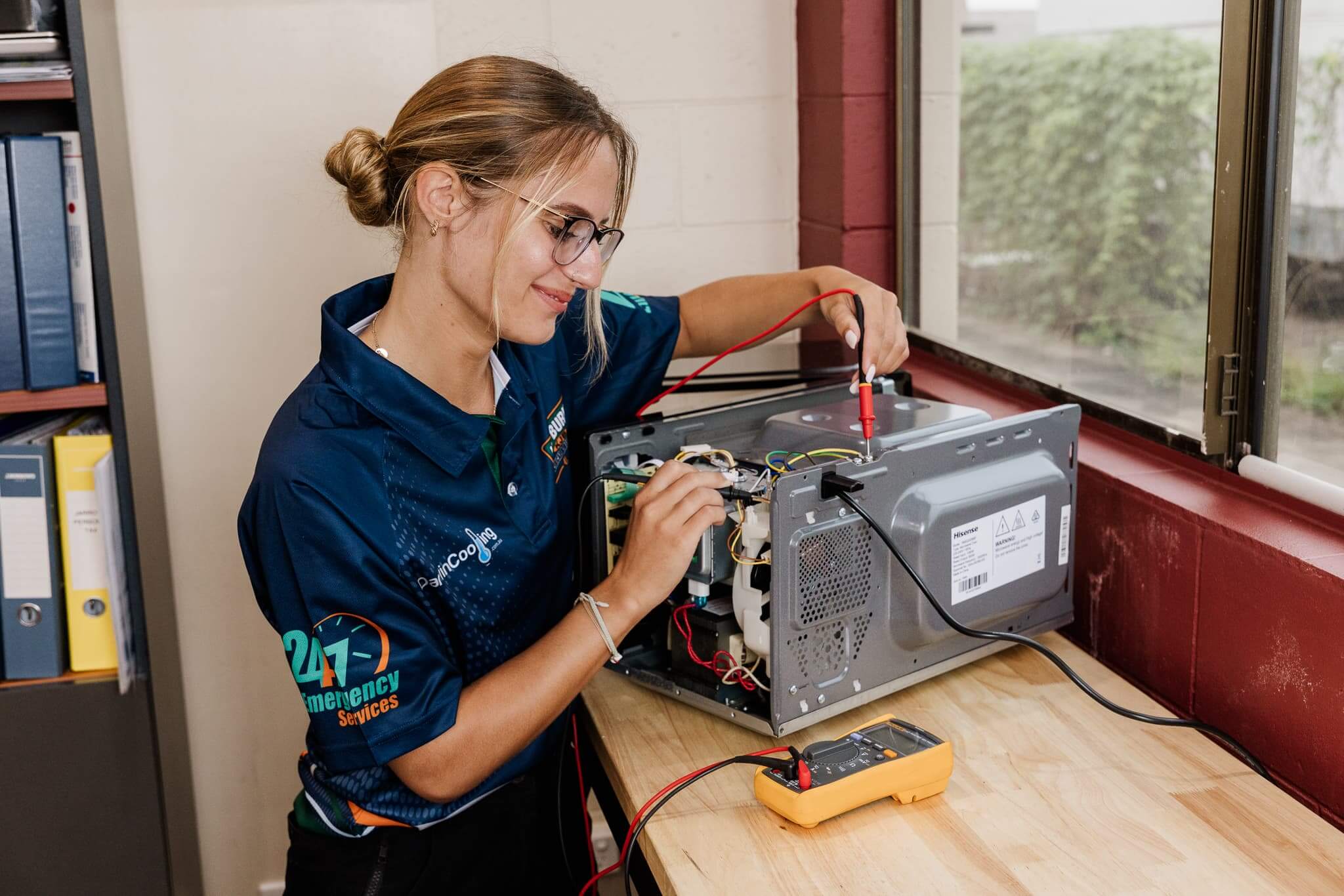
It involves two key stages. First, appliances are given a quick visual once-over to catch any obvious damage. Then, they’re electrically tested using a Portable Appliance Tester to make sure everything’s running safely.
How often appliances need to be tested depends on the industry and the type of equipment, but having a clear schedule is essential. This complete guide will give you everything you need to know about test and tag procedures, from who can perform the tests and what equipment is required, to creating an effective testing schedule that keeps your workplace safe and fully compliant.
Key Takeaways
|
So, What Does Test and Tagging Mean?
Test and tag safety inspections are a cornerstone of workplace electrical safety across Australia and New Zealand. It is a systematic evaluation of portable electrical appliances designed to identify potential hazards before they cause harm and ensure portable electrical equipment can be used safely every day, reducing risks for employees and protecting business operations.
The process has two main steps:
- Visual inspection: A thorough check for physical damage, such as frayed cords, broken plugs, or exposed wiring.
- Electrical testing: Performed using specialised Portable Appliance Tester (PAT) equipment to ensure the appliance functions safely.
Once an item passes the inspection, a durable tag is attached to record who conducted the test, the date it was tested, and when the next inspection is due.
Appliance Classes Explained
In the test and tag process, appliances are grouped into classes to determine the type of safety testing required. The classification helps ensure that each device receives the correct checks according to its design and risk level.
Class I (Earthed Appliances)
Class I appliances have basic insulation plus a protective earth wire. This earth wire provides a safe path for electricity if something goes wrong, reducing the risk of electric shock.
It is often identifiable by a grounding symbol (a circle with three horizontal lines underneath). This is the standard icon used to indicate that an appliance is earthed, meaning it has a protective earth wire. It’s a safety symbol that tells users and testers that the device is designed to prevent electric shock by safely redirecting electricity to the ground if there’s a fault.
- Examples: Kettles, toasters, irons, washing machines, and extension cords with a three-pin plug.
- Testing Required: Both earth continuity and insulation tests are needed to make sure the earth wire works and the insulation is safe.
Class II (Double Insulated Appliances)
Class II appliances are designed with double insulation, meaning they have two layers of protective insulation and do not require an earth wire. This design provides enhanced protection even if one layer of insulation fails.
This is identifiable by a “square within a square” symbol that is printed on the appliance or its plug. Unlike Class I appliances, Class II devices don’t have a protective earth (ground) wire. The double insulation is what makes them safe to use without being earthed.
- Examples: Hair dryers, power drills, some lawnmowers, and small kitchen appliances like sandwich makers.
- Testing Required: Only an insulation test is needed because there’s no earth wire to check.
Class III (SELV Appliances)
Class III appliances operate using Extra-Low Voltage (ELV) sources, also known as Safety Extra-Low Voltage (SELV). The low voltage makes these devices inherently safe from severe electric shock. As such, no specific symbol is required.
- Examples: USB-powered devices, battery-operated tools, small LED lamps, and some portable electronics.
- Testing Requirements: Class III appliances are usually exempt from standard PAT testing due to their low voltage. However, visual inspections are still recommended to check for damage, frayed cords, or other potential hazards.
Examples of common workplace equipment
- Office equipment that needs testing includes computers, monitors, printers, photocopiers, extension cords, power boards, phone chargers, and kitchen appliances. Printers and photocopiers are typically Class I equipment, while other office items can be either Class I or Class II.
- Construction sites need frequent testing of power drills, grinders, saws, welding machines, compressors, and portable generators because they face harsh conditions regularly. Manufacturing facilities must test their conveyor belts, packaging machines, industrial fans, 3D printers, and CNC machines.
- Kitchen equipment like coffee machines, blenders, toasters, ovens, and refrigerators need regular checks since their cords and plugs wear out from frequent use.
New vs used equipment rules
New equipment doesn’t need immediate testing but should have a “New to Service” label. This label shows that the item hasn’t been tested and displays the first/next test date. However, second-hand equipment must be inspected, tested, and tagged before use.
| AS/NZS 3760:2022 doesn’t require testing for some items. These include fixed/hardwired items, equipment taller than 2.5 meters, items that need dismantling to check safety, and demonstration items or new stock in retail outlets. |
Test and Tag in Workplace Safety
Test and tag is a proactive and practical way to keep electrical equipment safe in the workplace. Rather than waiting for an appliance to fail—or, worse, for someone to get hurt—businesses can identify problems early and prevent accidents. This approach helps maintain consistent electrical safety standards across all types of workplaces, from construction sites and factories to offices.
The process follows Australian Standard AS/NZS 3760, which provides clear guidelines on testing intervals and the qualifications required for personnel conducting inspections. The latest version, AS/NZS 3760:2022, outlines the best practices for keeping workplaces electrically safe. By adhering to these standards, test and tag ensures employees can use electrical equipment with confidence, knowing it has been thoroughly checked and certified.
Test and tag also plays a vital role in workplace compliance. Australian health and safety laws require employers to ensure all electrical equipment remains safe and hazard-free. Under the Occupational Safety and Health Act 1984, employers may be held liable if accidents occur due to untested appliances. Certain industries, such as construction and demolition, are legally required to carry out test and tag. Even in workplaces where it’s not explicitly mandated, maintaining a safe environment is essential.
Accurate testing records provide proof of compliance during safety audits and show that a business is actively managing electrical risks. Regular inspections and documentation not only protect employees but also safeguard the organisation from preventable accidents and legal liabilities. Beyond compliance, this process encourages a culture of safety, keeping everyone in the workplace aware and proactive about potential risks.
How the Test and Tag Procedure Works
The test and tag procedure follows a step-by-step process designed to ensure a safe electrical equipment environment:
Step 1: Visual Inspection
The process begins with a thorough visual check, which can identify about 90% of electrical defects. A qualified electrician looks for visible damage such as frayed cables, exposed wires, broken casings, or general wear and tear.
During this inspection, the tester ensures cords connect properly to equipment and plugs, checks that the outer cord covering is intact, and verifies all protective covers are in place. They also check for blocked air vents, test button and switch operation, and examine insulated plug pins for damage.
For Class 1 appliances, the earth connection is carefully inspected to ensure electricity will follow the safest path in case of a fault.
Step 2: Electrical Testing with a PAT
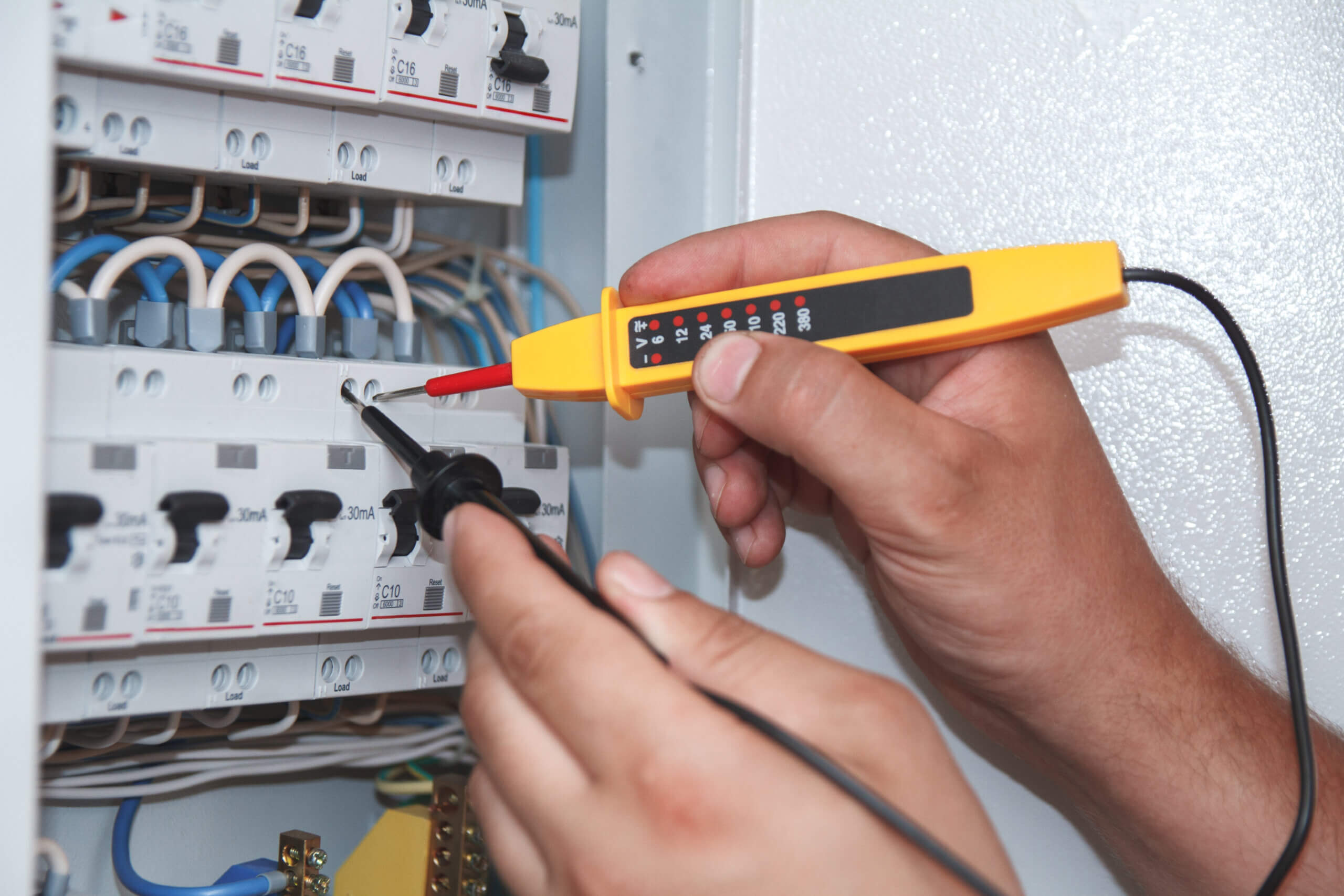
Once the visual inspection is passed, the equipment undergoes electrical testing using a Portable Appliance Tester (PAT). This step identifies hazards that aren’t visible to the eye. Key tests include:
- Earth Continuity Test: Confirms a constant earth connection to prevent electric shocks
- Insulation Resistance Test: Checks the quality of insulation to stop current leaks
- Polarity Test: Ensures active and neutral wires are correctly connected
- Leakage Current Test: Measures current leakage in powered equipment with soft switches
Regular PAT maintenance and calibration are essential to ensure accurate test results.
Step 3: Tagging and Documentation
Equipment that passes testing is fitted with a durable tag. According to AS/NZS 3760, the tag must include:
- Reference to “Tested to AS/NZS 3760”
- Name of the person who performed the test
- Date of testing
- Date when the next test is due
Equipment that fails testing must be immediately taken out of service and clearly marked with a “FAILED” tag stating “DO NOT USE” and “DANGER.” The responsible person should be notified immediately.
Step 4: Logging Test Results
The final step is record-keeping. Accurate logs should include:
- Name of the tester
- Date of testing
- Test outcome (pass or fail)
- Next test date
- License or certificate number of the qualified person (if applicable)
- Equipment identification number
Records can be maintained in a logbook, register, or digital database accessible to managers. Good documentation demonstrates a commitment to safety and simplifies compliance audits.
| 💡While test and tag may seem like extra paperwork, professional services like K&J Burns help streamline the process, ensuring routine appliance testing and compliance tasks are completed efficiently and safely. |
Who Can Perform Test and Tag?
Australian law places specific restrictions on who can perform test and tag procedures. Understanding who is considered competent and how requirements vary between states is essential for keeping your workplace compliant with electrical safety regulations.
A competent person has the right mix of knowledge and skills to safely inspect and test electrical equipment. Competency can come from formal training, qualifications, experience, or a combination of these, and it’s up to the employer or self-employed individual to confirm that someone meets these standards.
To be competent, a person should be able to:
- Perform thorough visual inspections of electrical equipment
- Identify the difference between double-insulated (Class II) and earthed (Class I) appliances
- Test earthing continuity while flexing cables
- Run insulation resistance tests
- Check residual current devices (RCDs)
- Use testing tools correctly and safely
- Understand how regulations apply to workplace electrical equipment
Training and Certification Requirements
The most common pathway to becoming qualified is completing a nationally recognised course. These are offered through Registered Training Organizations (RTOs) and covers all the skills needed to inspect, test, and tag portable electrical equipment. Completion provides a Statement of Attainment, proving competency
For most people, this qualification is sufficient to perform test and tag safely in their workplace or business. Proper training helps individuals identify hazards, operate testing equipment safely, and interpret test results accurately.
Certain industries, such as construction and demolition, may have stricter rules regarding who is allowed to perform testing.

How Often Should You Test and Tag Equipment?
The frequency of test and tag inspections depends on the type of workplace, the equipment used, and the level of risk involved. Establishing a proper testing schedule helps reduce hazards and ensures compliance with Australian safety standards.
Frequency Based on Industry Type
Different industries have varying risk profiles, which influence how often equipment should be tested:
- Construction and Demolition: Every 3 months due to harsh conditions that can quickly damage cords, plugs, and appliances.
- Factories, Warehouses, and Production Facilities: Every 6 months to manage moderate wear and tear in industrial environments.
- Schools and Offices: Every 12 months, as equipment is generally used less aggressively and faces lower risks.
- Controlled Environments (e.g., Server Rooms): Up to 5 years for low-risk equipment kept in clean, protected conditions.
Following the correct frequency ensures equipment remains safe, protects workers, and helps businesses meet legal obligations.
Test and Tag Color Codes Explained
Many workplaces will use a colour coding system to make it easy to identify when equipment was last tested and when it is due for retesting. In Australia, the RGBY system (Red, Green, Blue, Yellow) is commonly used for high-risk industries such as construction, mining, marine, and demolition.
For Example:
- Red Tags: December, January, February
- Green Tags: March, April, May
- Blue Tags: June, July, August
- Yellow Tags: September, October, November
Industries outside of construction and mining can choose whether to adopt a colour coding system. Many companies create their own rotations using additional colours to help organise testing schedules, reduce confusion, and make it easy for staff to see when equipment is due for retesting at a glance.
| 💡 Practical Tip: Testing equipment at the start of each colour period maximizes tag validity. Equipment tested at the end of a period may need retesting when the new colour cycle begins to ensure ongoing compliance. |
Protect Your Workplace With Confidence
Electrical safety isn’t optional. It’s a fundamental part of running a responsible, compliant workplace. While every industry has its own testing requirements, by understanding the basics of test and tag, you’re taking important steps to protect your team and reduce avoidable risks.
Test and tag isn’t just a legal requirement—it’s proof of your commitment to safety. By following AS/NZS 3760:2022 standards and keeping accurate records, you’re building a safer workplace for everyone who relies on your equipment.
But, many businesses struggle to balance safety obligations with day-to-day workloads. That’s where K&J Burns can help. Our qualified professionals handle the entire test and tag process, saving you time, ensuring compliance, and giving you complete peace of mind. Book today!