



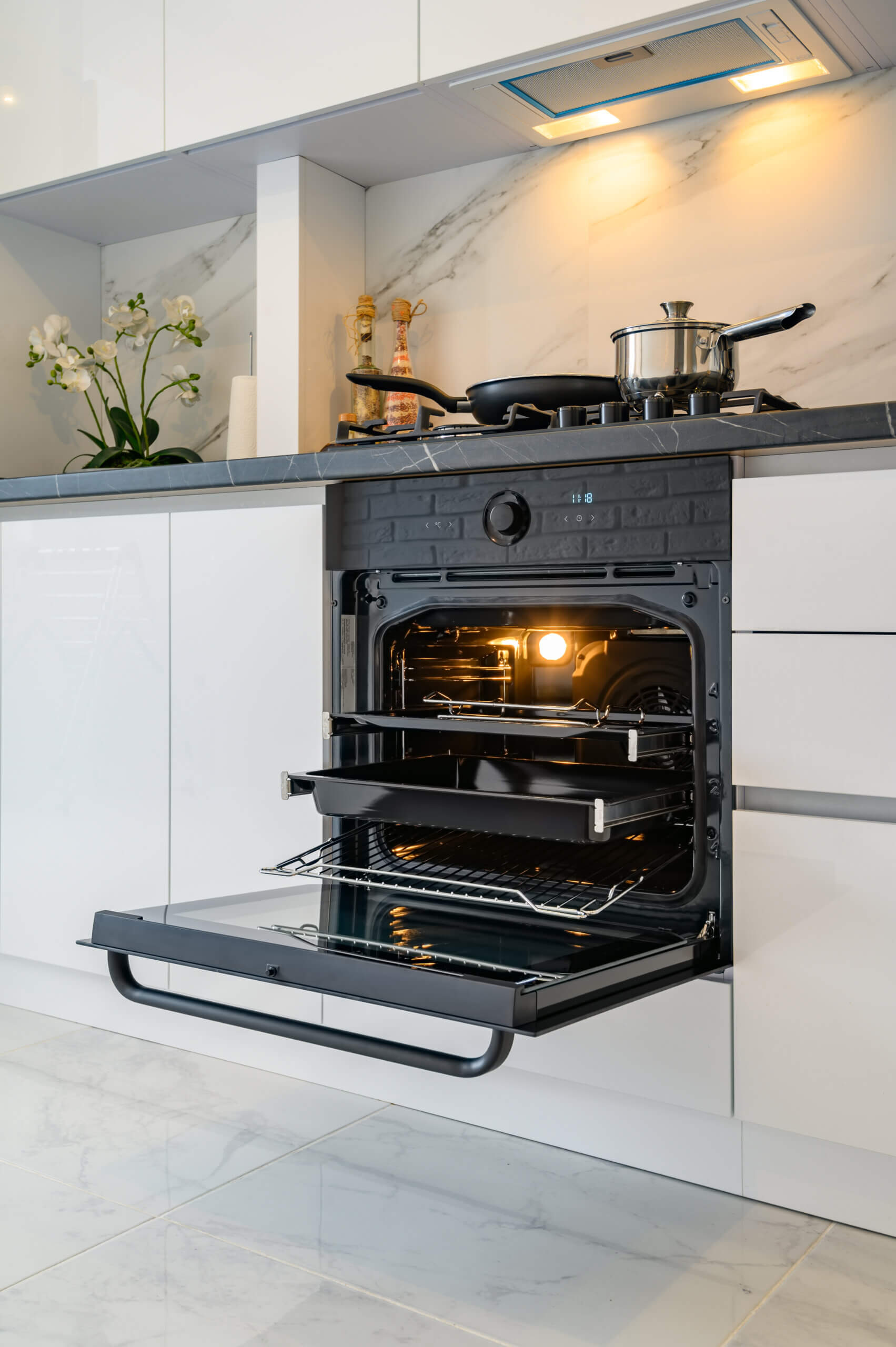
You might think an oven is just like any other appliance. Plug it in, and you’re good to go, right? Well, not quite. Installing an oven can be a bit more complicated than simply finding a spot on the kitchen bench. There’s a lot to consider when deciding whether you need a professional to handle the job.
Put simply, if you’re installing an electric oven, you almost always need a licensed electrician. Electric ovens typically draw more power (often 3kW or more) than a standard household outlet, which usually handles around 2.4kW. That means your new oven needs a hardwired connection to the mains, and only a qualified professional can safely and legally do this.
Hiring a licensed electrician not only keeps your installation compliant with local regulations but also protects your appliance warranty and ensures your kitchen stays safe. In this post, we’ll break down everything you need to know about oven installation, from legal requirements to DIY considerations, so you can make the best choice for your home.
Key Takeaways
|
When Do You Need an Electrician for Oven Installation?
Installing an oven might seem straightforward, but in Australia, there are strict rules around electrical work, especially when it comes to electric ovens. Most electric ovens require at least 3kW of power, while standard household outlets typically supply only 2.4kW. This means your oven usually needs a hardwired connection to your home’s mains.
Attempting a DIY installation without the proper qualifications can have serious consequences. You may face fines, your manufacturer’s warranty may be voided, and your home insurance could refuse to cover damages caused by improper installation.
Why Hardwired Ovens Require a Licensed Electrician
Hardwired ovens are complex appliances. They often use between 2,000 and 10,000 watts of power and require their own dedicated circuit. Poor installation can lead to electric shocks, fires, serious injuries, or even fatalities.
However, a licensed electrician has the training, tools, and knowledge to handle these connections safely. Before installing your oven, a qualified electrician will check:
- Your switchboard’s capacity
- Proper placement of isolation switches
- Circuit compatibility with your oven’s power requirements
Electrical Standards and Compliance
All electric oven installations in Australia must follow the AS/NZS 3000:2018 standard, which came into effect on January 1, 2019. This standard covers key safety requirements, including safety switches, RCDs (Residual Current Devices), and arc fault protection.
After installation, your electrician must provide a Certificate of Compliance for Electrical Work (CCEW). This certificate proves that your installation meets all required standards.
The safest approach is to contact a licensed electrician as soon as you purchase your oven (or even beforehand). They can review your kitchen’s wiring and prepare any work needed before installation day.
Types of Ovens and Installation Needs
The type of oven you have also influences installation requirements, costs, and whether a professional is needed.
Freestanding vs. Built-In Ovens
- Freestanding ovens combine a cooktop and oven in one unit. They’re versatile, easy to place, and usually come with larger cooking spaces.
- Built-in ovens are integrated into your kitchen cabinets for a seamless look and ergonomic height. They require separate cooktops and careful planning of ventilation and power connections, which should be in an adjacent cabinet, not behind the oven.
Electric vs. Gas Ovens
- Electric ovens need at least 3kW of power, must be hardwired, and legally require a licensed electrician to install.
- Gas ovens require a licensed gas fitter or plumber, as well as an electrician, because ignition systems and extra features need power. Dual-fuel ranges (gas cooktop + electric oven) require both electrical and gas connections, making professional installation essential.
Plug-In Ovens and DIY Options
Some small countertop ovens may allow DIY installation if they:
- Draws less power (around 2.2kW)
- Use a standard 10-amp plug
- Are approved by the manufacturer for user installation
Be sure to follow the manufacturer’s instructions carefully, avoid overloading your power outlets, keep the oven away from water sources, and never attempt to modify the plug or wiring. Proper placement, ventilation, and safe handling are key to preventing accidents and ensuring your oven works efficiently.

What Does an Electrician Do During Oven Installation?
Pre-Installation Checks and Measurements
Before touching any wiring, electricians make sure your new oven will fit perfectly in its designated space. They may take precise measurements of both the oven and the cavity where it will sit, preventing costly mistakes from wrong sizing (a surprisingly common problem!). They also assess the kitchen layout to ensure there’s enough clearance for ventilation and that doors can open fully without obstruction.
Checking Power Supply and Switchboard
Next, electricians evaluate your home’s electrical system to confirm it can handle the oven safely. This includes:
- Ensuring your switchboard can manage the extra load
- Confirming the oven has a dedicated circuit breaker
- Verifying the circuit capacity matches your oven’s power requirements (most ovens use 2,000–10,000 watts)
Older homes may need electrical upgrades, and rental properties often require checks to confirm RCD (Residual Current Device) protection on all circuits.
Disconnecting and Removing the Old Oven
Safety is the top priority when it comes to removing your old oven. Even a small mistake during this process can cause electrical shocks, damage your kitchen, or harm the appliance itself. That’s why this stage is best left to a licensed electrician. Here’s what happens step by step:
- Switch off power at the switchboard: Before touching any wiring, electricians turn off the electricity at the main switchboard to prevent accidental shocks. This step ensures no live current is running to the oven during removal.
- Double-check that the electricity is fully off: Simply flipping the switch isn’t always enough. Professionals use specialised tools to test the circuit and confirm that power is completely disconnected, guaranteeing maximum safety.
- Disconnect all existing electrical connections: Once the old oven is out, electricians safely disconnect wiring, ensuring that no live wires are exposed. They inspect connections for wear or damage, which is important for preventing future electrical issues when the new oven is installed.
This stage requires expertise to avoid damaging property, wiring, or the old appliance.
Installing and Testing the New Oven
Once the area is fully prepared and all pre-installation checks are complete, the electrician moves on to installing your new oven.
- Placing the oven in its cavity: Electricians carefully position the oven into the prepared space, making sure it fits snugly and sits level. Proper placement ensures that doors open smoothly, ventilation gaps are correct, and the appliance aligns with surrounding cabinetry.
- Connecting all wiring according to regulations: Using their professional expertise, electricians connect the oven to your home’s dedicated circuit. Every connection is made following electrical standards, ensuring the right voltage, proper grounding, and full compliance with safety codes. This step prevents risks such as short circuits, shocks, or fires.
- Securing the oven with brackets or screws: Once wired, the oven is fastened securely to prevent any movement or tipping. This is especially important for built-in ovens, which need a stable installation to avoid damage to the cabinetry or the appliance itself during use.
- Setting up racks, accessories, and additional features: Electricians install any included racks, trays, or special components, making sure everything is correctly fitted and ready for use. They also check that features such as timers, digital displays, or self-cleaning functions operate correctly.
Safety Checks and Compliance
Even after your new oven is installed and wired correctly, a series of thorough tests is essential to ensure everything works safely and meets Australian electrical standards.
Key safety tests typically include:
- Continuity of the earthing system: Ensures the oven is properly grounded, preventing electric shocks if a fault occurs.
- Insulation resistance testing: Confirms that all wiring is insulated correctly and no current can leak through, which reduces the risk of short circuits or fires.
- Polarity verification: Checks that live and neutral wires are connected correctly, ensuring the oven operates safely and as intended.
- Circuit connection confirmation: Verifies that the oven is connected to the correct dedicated circuit, preventing overloading of other circuits in your home.
- Impedance verification for automatic disconnection: Ensures that protective devices will disconnect power automatically if a fault occurs, protecting both people and property.
- RCD (Residual Current Device) operation testing: Confirms that the safety switch will trip correctly in case of an electrical fault, adding an extra layer of protection against shocks.
After successfully completing all tests, the electrician provides a Certificate of Compliance for Electrical Work (CCEW). This certificate is your official proof that the installation meets all Australian standards. It not only protects your appliance warranty but also confirms that the work is legal and fully compliant.
In some states, further verification by a licensed electrical inspector is required within a set period after installation. This additional check ensures that all safety standards are met and that your home’s electrical system remains fully compliant.
Cost and Time Involved in Hiring an Electrician
When it comes to installing an oven, hiring a licensed electrician is an investment in safety, compliance, and peace of mind. While exact prices vary, the overall cost and time needed depend on several key factors.
- Oven type: Built-in or wall ovens often require more complex installation than freestanding models.
- Installation complexity: New installations, particularly those that require additional wiring or circuit upgrades, take more time and expertise.
- Accessibility: Tight spaces, stairs, or outdoor installations can increase labour effort.
- Additional modifications: Adjustments to cabinetry, new wiring, or combining electrical and gas connections for dual-fuel models can add to the overall cost.
- Geographic location: Labour rates vary across cities and regions, impacting final pricing.
Extra services, such as removing an old oven or prepping the installation space, can also affect the total cost.
How Long Does Installation Take?
Most professional oven installations are completed within 1–2 hours. A straightforward replacement with existing wiring may take under an hour. More complex installations, such as new wiring, isolator switch setup, or cabinet modifications, can push the job closer to several hours or more.
Benefits of Professional Oven Installation
Installing a new oven might seem like a simple task, but there are several challenges that can trip up even the most handy homeowner. From electrical issues to ventilation and cabinet fit, professional installation ensures your appliance is safe, efficient, and fully compliant. Here’s why hiring a licensed electrician and installation expert is worth it:
Switchboard and Circuit Issues
One of the most common obstacles is your home’s electrical supply. Many existing circuits aren’t designed to handle the power demands of modern ovens. A professional will check that:
- The oven runs on its own dedicated circuit breaker
- The circuit breaker and wiring can handle the oven’s power load
- Your switchboard complies with current electrical regulations
Since 2018, safety switches have been mandatory for all appliance installations. Skipping these requirements could not only risk electrical hazards but may also affect your home insurance coverage if something goes wrong.
Safety & Compliance
Licensed installers follow strict electrical codes to ensure your oven is connected safely. This reduces the risk of fires, gas leaks, or electric shocks, protecting both your home and your family. Professionals also handle safety switches, circuit breakers, and grounding correctly, giving you complete peace of mind.
Warranty Protection
Many oven manufacturers require professional installation to keep warranties valid. Installing your oven incorrectly can void your warranty, leaving you responsible for costly repairs. Hiring a professional ensures your appliance is installed according to manufacturer guidelines, safeguarding your investment.
Extended Lifespan
An incorrectly installed oven can experience unnecessary strain on components, leading to premature wear. Professionals connect the wiring properly, secure the unit correctly, and ensure adequate ventilation, helping your oven last longer and operate reliably for years to come.
Time & Convenience
Professional electricians handle the entire process from start to finish, often much quicker and more efficiently than a DIY installation. Homeowners don’t always have the time, tools, or experience to complete the job safely. Attempting it yourself often means sourcing extra equipment, learning how to use it properly, and troubleshooting unexpected issues along the way. Hiring a professional eliminates all of that stress, saving you time and effort while ensuring the oven is installed correctly the first time.
Energy Efficiency
Correct installation ensures your oven operates efficiently. Professionals optimise electrical connections and airflow, helping your oven reach the right temperature faster and use less energy. This not only reduces electricity bills but also helps your oven work more effectively over time.
Why Professional Oven Installation is Worth It
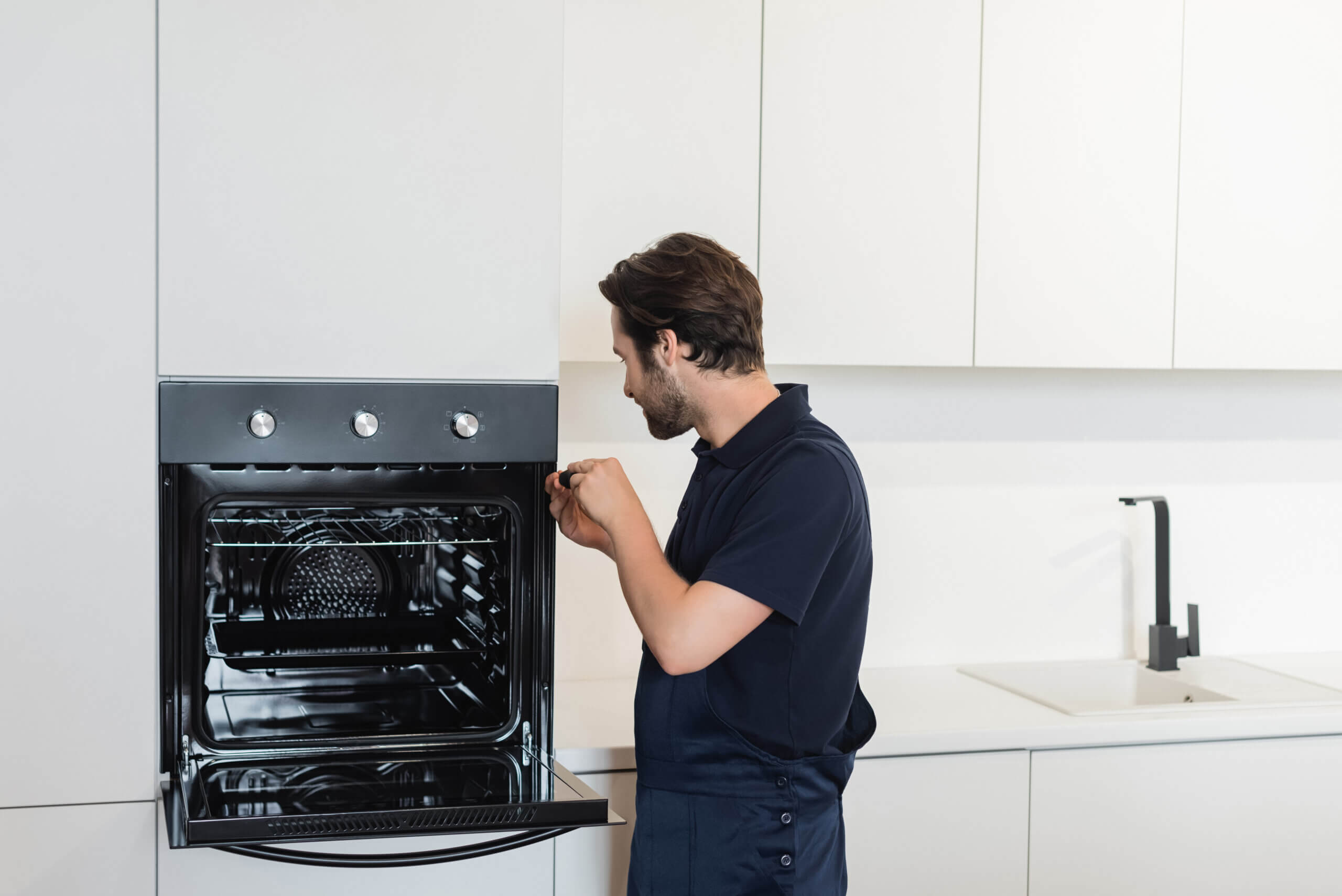
DIY might seem tempting, but most electric and built-in ovens need a licensed professional to handle the wiring safely, comply with regulations, and protect your warranty. Hiring a licensed electrician means every step is done right: accurate measurements, safe electrical connections, proper ventilation, and full compliance with Australian standards.
With experts like K&J Burns, you get fast, efficient, and affordable appliance installation designed specifically for your kitchen. We handle everything, so your oven works safely and reliably. You can forget the stress of DIY mistakes and enjoy consistent performance from day one. With professional installation, you get peace of mind, worry-free cooking, and confidence that your appliance is in the hands of skilled, experienced technicians.