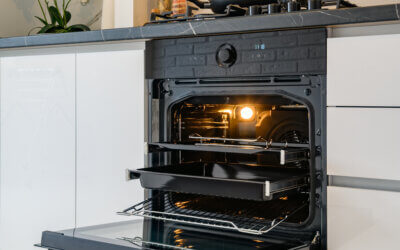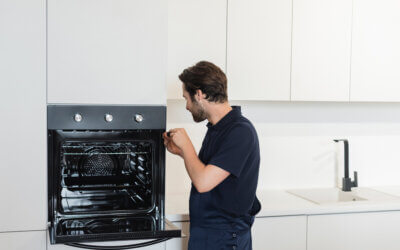
Do You Need An Electrician To Install An Oven?
You might think an oven is just like any other appliance. Plug it in, and you’re good to go, right? Well, not quite. Installing an oven can be a bit more complicated than simply finding a spot on the kitchen bench. There’s a lot to consider when deciding whether you need a professional to handle the job.
Put simply, if you’re installing an electric oven, you almost always need a licensed electrician. Electric ovens typically draw more power (often 3kW or more) than a standard household outlet, which usually handles around 2.4kW. That means your new oven needs a hardwired connection to the mains, and only a qualified professional can safely and legally do this.
Hiring a licensed electrician not only keeps your installation compliant with local regulations but also protects your appliance warranty and ensures your kitchen stays safe. In this post, we’ll break down everything you need to know about oven installation, from legal requirements to DIY considerations, so you can make the best choice for your home.
Key Takeaways
|
When Do You Need an Electrician for Oven Installation?
Installing an oven might seem straightforward, but in Australia, there are strict rules around electrical work, especially when it comes to electric ovens. Most electric ovens require at least 3kW of power, while standard household outlets typically supply only 2.4kW. This means your oven usually needs a hardwired connection to your home’s mains.
Attempting a DIY installation without the proper qualifications can have serious consequences. You may face fines, your manufacturer’s warranty may be voided, and your home insurance could refuse to cover damages caused by improper installation.
Why Hardwired Ovens Require a Licensed Electrician
Hardwired ovens are complex appliances. They often use between 2,000 and 10,000 watts of power and require their own dedicated circuit. Poor installation can lead to electric shocks, fires, serious injuries, or even fatalities.
However, a licensed electrician has the training, tools, and knowledge to handle these connections safely. Before installing your oven, a qualified electrician will check:
- Your switchboard’s capacity
- Proper placement of isolation switches
- Circuit compatibility with your oven’s power requirements
Electrical Standards and Compliance
All electric oven installations in Australia must follow the AS/NZS 3000:2018 standard, which came into effect on January 1, 2019. This standard covers key safety requirements, including safety switches, RCDs (Residual Current Devices), and arc fault protection.
After installation, your electrician must provide a Certificate of Compliance for Electrical Work (CCEW). This certificate proves that your installation meets all required standards.
The safest approach is to contact a licensed electrician as soon as you purchase your oven (or even beforehand). They can review your kitchen’s wiring and prepare any work needed before installation day.
Types of Ovens and Installation Needs
The type of oven you have also influences installation requirements, costs, and whether a professional is needed.
Freestanding vs. Built-In Ovens
- Freestanding ovens combine a cooktop and oven in one unit. They’re versatile, easy to place, and usually come with larger cooking spaces.
- Built-in ovens are integrated into your kitchen cabinets for a seamless look and ergonomic height. They require separate cooktops and careful planning of ventilation and power connections, which should be in an adjacent cabinet, not behind the oven.
Electric vs. Gas Ovens
- Electric ovens need at least 3kW of power, must be hardwired, and legally require a licensed electrician to install.
- Gas ovens require a licensed gas fitter or plumber, as well as an electrician, because ignition systems and extra features need power. Dual-fuel ranges (gas cooktop + electric oven) require both electrical and gas connections, making professional installation essential.
Plug-In Ovens and DIY Options
Some small countertop ovens may allow DIY installation if they:
- Draws less power (around 2.2kW)
- Use a standard 10-amp plug
- Are approved by the manufacturer for user installation
Be sure to follow the manufacturer’s instructions carefully, avoid overloading your power outlets, keep the oven away from water sources, and never attempt to modify the plug or wiring. Proper placement, ventilation, and safe handling are key to preventing accidents and ensuring your oven works efficiently.

What Does an Electrician Do During Oven Installation?
Pre-Installation Checks and Measurements
Before touching any wiring, electricians make sure your new oven will fit perfectly in its designated space. They may take precise measurements of both the oven and the cavity where it will sit, preventing costly mistakes from wrong sizing (a surprisingly common problem!). They also assess the kitchen layout to ensure there’s enough clearance for ventilation and that doors can open fully without obstruction.
Checking Power Supply and Switchboard
Next, electricians evaluate your home’s electrical system to confirm it can handle the oven safely. This includes:
- Ensuring your switchboard can manage the extra load
- Confirming the oven has a dedicated circuit breaker
- Verifying the circuit capacity matches your oven’s power requirements (most ovens use 2,000–10,000 watts)
Older homes may need electrical upgrades, and rental properties often require checks to confirm RCD (Residual Current Device) protection on all circuits.
Disconnecting and Removing the Old Oven
Safety is the top priority when it comes to removing your old oven. Even a small mistake during this process can cause electrical shocks, damage your kitchen, or harm the appliance itself. That’s why this stage is best left to a licensed electrician. Here’s what happens step by step:
- Switch off power at the switchboard: Before touching any wiring, electricians turn off the electricity at the main switchboard to prevent accidental shocks. This step ensures no live current is running to the oven during removal.
- Double-check that the electricity is fully off: Simply flipping the switch isn’t always enough. Professionals use specialised tools to test the circuit and confirm that power is completely disconnected, guaranteeing maximum safety.
- Disconnect all existing electrical connections: Once the old oven is out, electricians safely disconnect wiring, ensuring that no live wires are exposed. They inspect connections for wear or damage, which is important for preventing future electrical issues when the new oven is installed.
This stage requires expertise to avoid damaging property, wiring, or the old appliance.
Installing and Testing the New Oven
Once the area is fully prepared and all pre-installation checks are complete, the electrician moves on to installing your new oven.
- Placing the oven in its cavity: Electricians carefully position the oven into the prepared space, making sure it fits snugly and sits level. Proper placement ensures that doors open smoothly, ventilation gaps are correct, and the appliance aligns with surrounding cabinetry.
- Connecting all wiring according to regulations: Using their professional expertise, electricians connect the oven to your home’s dedicated circuit. Every connection is made following electrical standards, ensuring the right voltage, proper grounding, and full compliance with safety codes. This step prevents risks such as short circuits, shocks, or fires.
- Securing the oven with brackets or screws: Once wired, the oven is fastened securely to prevent any movement or tipping. This is especially important for built-in ovens, which need a stable installation to avoid damage to the cabinetry or the appliance itself during use.
- Setting up racks, accessories, and additional features: Electricians install any included racks, trays, or special components, making sure everything is correctly fitted and ready for use. They also check that features such as timers, digital displays, or self-cleaning functions operate correctly.
Safety Checks and Compliance
Even after your new oven is installed and wired correctly, a series of thorough tests is essential to ensure everything works safely and meets Australian electrical standards.
Key safety tests typically include:
- Continuity of the earthing system: Ensures the oven is properly grounded, preventing electric shocks if a fault occurs.
- Insulation resistance testing: Confirms that all wiring is insulated correctly and no current can leak through, which reduces the risk of short circuits or fires.
- Polarity verification: Checks that live and neutral wires are connected correctly, ensuring the oven operates safely and as intended.
- Circuit connection confirmation: Verifies that the oven is connected to the correct dedicated circuit, preventing overloading of other circuits in your home.
- Impedance verification for automatic disconnection: Ensures that protective devices will disconnect power automatically if a fault occurs, protecting both people and property.
- RCD (Residual Current Device) operation testing: Confirms that the safety switch will trip correctly in case of an electrical fault, adding an extra layer of protection against shocks.
After successfully completing all tests, the electrician provides a Certificate of Compliance for Electrical Work (CCEW). This certificate is your official proof that the installation meets all Australian standards. It not only protects your appliance warranty but also confirms that the work is legal and fully compliant.
In some states, further verification by a licensed electrical inspector is required within a set period after installation. This additional check ensures that all safety standards are met and that your home’s electrical system remains fully compliant.
Cost and Time Involved in Hiring an Electrician
When it comes to installing an oven, hiring a licensed electrician is an investment in safety, compliance, and peace of mind. While exact prices vary, the overall cost and time needed depend on several key factors.
- Oven type: Built-in or wall ovens often require more complex installation than freestanding models.
- Installation complexity: New installations, particularly those that require additional wiring or circuit upgrades, take more time and expertise.
- Accessibility: Tight spaces, stairs, or outdoor installations can increase labour effort.
- Additional modifications: Adjustments to cabinetry, new wiring, or combining electrical and gas connections for dual-fuel models can add to the overall cost.
- Geographic location: Labour rates vary across cities and regions, impacting final pricing.
Extra services, such as removing an old oven or prepping the installation space, can also affect the total cost.
How Long Does Installation Take?
Most professional oven installations are completed within 1–2 hours. A straightforward replacement with existing wiring may take under an hour. More complex installations, such as new wiring, isolator switch setup, or cabinet modifications, can push the job closer to several hours or more.
Benefits of Professional Oven Installation
Installing a new oven might seem like a simple task, but there are several challenges that can trip up even the most handy homeowner. From electrical issues to ventilation and cabinet fit, professional installation ensures your appliance is safe, efficient, and fully compliant. Here’s why hiring a licensed electrician and installation expert is worth it:
Switchboard and Circuit Issues
One of the most common obstacles is your home’s electrical supply. Many existing circuits aren’t designed to handle the power demands of modern ovens. A professional will check that:
- The oven runs on its own dedicated circuit breaker
- The circuit breaker and wiring can handle the oven’s power load
- Your switchboard complies with current electrical regulations
Since 2018, safety switches have been mandatory for all appliance installations. Skipping these requirements could not only risk electrical hazards but may also affect your home insurance coverage if something goes wrong.
Safety & Compliance
Licensed installers follow strict electrical codes to ensure your oven is connected safely. This reduces the risk of fires, gas leaks, or electric shocks, protecting both your home and your family. Professionals also handle safety switches, circuit breakers, and grounding correctly, giving you complete peace of mind.
Warranty Protection
Many oven manufacturers require professional installation to keep warranties valid. Installing your oven incorrectly can void your warranty, leaving you responsible for costly repairs. Hiring a professional ensures your appliance is installed according to manufacturer guidelines, safeguarding your investment.
Extended Lifespan
An incorrectly installed oven can experience unnecessary strain on components, leading to premature wear. Professionals connect the wiring properly, secure the unit correctly, and ensure adequate ventilation, helping your oven last longer and operate reliably for years to come.
Time & Convenience
Professional electricians handle the entire process from start to finish, often much quicker and more efficiently than a DIY installation. Homeowners don’t always have the time, tools, or experience to complete the job safely. Attempting it yourself often means sourcing extra equipment, learning how to use it properly, and troubleshooting unexpected issues along the way. Hiring a professional eliminates all of that stress, saving you time and effort while ensuring the oven is installed correctly the first time.
Energy Efficiency
Correct installation ensures your oven operates efficiently. Professionals optimise electrical connections and airflow, helping your oven reach the right temperature faster and use less energy. This not only reduces electricity bills but also helps your oven work more effectively over time.

Why Professional Oven Installation is Worth It
DIY might seem tempting, but most electric and built-in ovens need a licensed professional to handle the wiring safely, comply with regulations, and protect your warranty. Hiring a licensed electrician means every step is done right: accurate measurements, safe electrical connections, proper ventilation, and full compliance with Australian standards.
With experts like K&J Burns, you get fast, efficient, and affordable appliance installation designed specifically for your kitchen. We handle everything, so your oven works safely and reliably. You can forget the stress of DIY mistakes and enjoy consistent performance from day one. With professional installation, you get peace of mind, worry-free cooking, and confidence that your appliance is in the hands of skilled, experienced technicians.
Keeping Your Home Safe: A Guide to Testing Smoke Alarms Regularly
A shocking fact: Working smoke alarms are missing in almost half of the house fires that fire services respond to.
Fires destroy homes, cause millions of dollars in damage and claim lives each year. A working smoke alarm gives significant early warning when fire breaks out, and residents get precious extra time to escape safely. The ability to test smoke alarms correctly could save your life.
You should test your smoke alarm monthly to verify it works properly. The device’s maintenance needs regular cleaning to prevent dust buildup. Every alarm requires complete replacement after 10 years, whatever its type. Both homeowners and renters must know the right maintenance procedures to keep these safety devices ready for emergencies.
This piece walks you through the complete process of testing and maintaining smoke alarms. You’ll learn everything needed to keep these vital safety devices working reliably.
Why Regular Smoke Alarm Testing Matters
Life-saving devices need your attention regularly. Working smoke alarms double your chances of surviving a house fire. About two-thirds of home fire deaths happen in properties without installed or working smoke alarms.
Your smoke alarm isn’t a “set-and-forget” device. These significant safety tools degrade as time passes. Dust builds up on sensors, batteries run low, and internal components wear out. You might discover your alarm’s failure at the worst possible moment without proper testing.
The facts paint a clear picture. A fire can spread through your home in just four minutes. You won’t smell smoke during sleep. A working alarm gives you those vital extra seconds you need to escape.
The monthly test takes seconds but will give a reliable warning at the moment you need it most. Each test confirms your family’s invisible guardian stays alert. The simple act of pressing that test button shows you care about protecting the people under your roof.
Step-by-Step Guide to Smoke Alarm Testing
A smoke alarm test takes little effort but gives you complete peace of mind. Let everyone at home know before you start the test to avoid any panic.
Here’s the work to be done to test your smoke alarm:
- Find the test button on your smoke alarm unit
- Press and hold the button for at least five seconds until you hear beeping sounds
- A broom handle or similar tool helps you reach high-placed alarms
- Listen carefully for a loud, continuous siren that shows everything works properly
- Make sure all units sound together when testing one alarm in an interconnected system
The alarm needs a new battery if it stays silent during testing. Replace the entire unit if it still doesn’t work after changing the battery.
Note that the test button only checks if the electronic circuitry, horn, and battery work properly. Professional smoke detector testers offer a better option since they create artificial smoke conditions without any dangerous open flames.
Your smoke alarm test should never involve candles, matches, or other open flames. These methods create fire hazards and can damage your alarm’s sensors.
Pick a specific day each month for testing – the first day works well according to fire safety experts. The alarm also needs vacuuming every six months to keep it working at its best.
Ongoing Smoke Alarm Maintenance Tips
Regular testing combined with proper maintenance will give a reliable protection system for your home. A complete maintenance schedule helps these devices work at their best throughout their lifespan.
You should check indicator lights monthly to make sure your alarm stays powered. The green light on mains-powered alarms shows proper connection. Battery-operated models display a blinking red light every 40-60 seconds.
Dust buildup substantially reduces how well sensors work. Hoovering up dust from smoke alarms every six months removes particles that could trigger false alarms or block detection. A soft brush attachment works best to clean without damaging sensitive components.
Small insects can sometimes mess with the alarm operation. You can prevent this by wiping insect repellent around the alarm with a cloth, but never spray directly into the device.
Nine-volt models need new batteries every year. Backup batteries in mains-powered alarms also need yearly changes. Setting specific date reminders helps you stay consistent. Many experts recommend changing batteries at the time you adjust clocks for daylight saving.
Good maintenance extends life, but all smoke alarms eventually wear out. These devices lose sensitivity after ten years and need replacement. Manufacturing dates printed on units tell you the time to replace them.
An intermittent chirp usually means the battery is low. The unit needs complete replacement if it keeps beeping after you put in a new battery.
Conclusion
Smoke alarms serve as silent guardians in our homes. Testing them regularly should be a non-negotiable safety habit. These small devices increase survival chances a lot during house fires when properly managed to keep working.
The testing process needs minimal effort. A simple button press once a month can verify your smoke alarm works and stays ready to alert you when seconds matter most. Testing is just one part of detailed smoke alarm care. Regular hoovering, annual battery replacement and checking indicator lights help keep these devices working properly.
Note that even properly maintained smoke alarms have a limited lifespan. These critical safety devices must be replaced completely after ten years, whatever their apparent functionality. The minor hassle of regular maintenance is nowhere near a match for the protection these devices provide.
Without doubt, a consistent testing and maintenance routine for your smoke alarms creates a crucial safety shield for your household. By doing this and being systematic, you’ll keep these life-saving devices ready to perform their vital function when needed most. Your diligence today might save lives tomorrow – definitely worth the few minutes each month for smoke alarm care.
Keep your home and family safe with regular smoke alarm testing and maintenance. If you need help installing, replacing, or testing your smoke alarms, contact our friendly team here at K & J Burns Electrical today for expert service and peace of mind.
FAQs
Q1. How frequently should smoke alarms be tested?
Smoke alarms should be tested monthly to ensure they are functioning properly. Regular testing is crucial for maintaining the effectiveness of these life-saving devices.
Q2. What is the correct method for testing a smoke alarm?
To test a smoke alarm, locate the test button on the unit, press and hold it for at least five seconds until you hear a loud, continuous siren. This confirms that the alarm’s electronic circuitry, horn, and power source are working correctly.
Q3. How do you test smoke alarms that are difficult to reach?
For hard-to-reach smoke alarms, use a broom handle or similar tool to press the test button. This allows you to safely test alarms installed on high ceilings or in challenging locations without risking injury.
Q4. Is it necessary to replace smoke alarm batteries, and if so, how often?
Yes, it’s essential to replace smoke alarm batteries. For 9-volt battery-operated models, replace batteries annually. Even mains-powered alarms have backup batteries that should be changed yearly. Many experts recommend doing this when adjusting clocks for daylight saving time.
Q5. How long do smoke alarms last before needing replacement?
Smoke alarms have a limited lifespan and should be replaced entirely after 10 years, regardless of their apparent functionality. This is because the sensors lose sensitivity over time, potentially compromising their effectiveness in detecting smoke.
Planning Your New Oven: Understanding Installation Costs
The cost to install an oven typically ranges from $100 to $300, based on your choice of gas or electric model and setup complexity.
Most installations take just 1-2 hours. The process requires more than plugging in an appliance. Australian regulations require you to hire a licensed electrician for electric oven installations – it’s not just recommended, it’s the law. The final cost depends on your home’s electrical system and where you plan to place the oven.
Your budget needs to account for the appliance cost. Built-in electric models start at $415 for simple options. Premium multi-function ovens can set you back more than $10,000. Note that many homeowners don’t factor in installation costs to their total budget.
This piece gets into the most important factors that affect your oven installation costs. You’ll learn what to expect as you upgrade your kitchen with this essential appliance.
Assessing Your Kitchen and Oven Type
You need to get a full picture of your kitchen space and understand different oven types before buying a new oven. This helps you estimate installation costs accurately. Smart choices now will help you avoid unexpected costs later.
Measure available space and layout
The right measurements of your kitchen space will tell you which oven fits your home best. Wall ovens need precise cabinet cutout measurements to fit naturally. Most built-in ovens are 60cm wide, but you can find 75cm and 90cm options if you have a big family or love entertaining.
Your measurements should include the oven’s height and depth, along with the cavity space. Modern built-in models are usually smaller than older ovens, so exact measurements matter. Look for power points or gas pipes behind where you’ll put the oven. This is vital when gas cooktops sit above the oven as they might limit your space.
The Australian Standard AS/NZS 4386.2 lists minimum clearances between cooktop burners and combustible surfaces. It also covers ventilation needs for built-in ovens. You need at least 50mm clearance from the front edge of the bench top to the cooktop cutout.
Choose between wall-mounted and freestanding
Wall ovens and freestanding models each shine in different kitchen designs:
Wall ovens:
- Give you more freedom with the kitchen layout
- Let you pick the perfect height for easy access
- Look modern and clean
- Mix gas and electric options (gas cooktop with electric oven)
- Save floor space in smaller kitchens
Freestanding ovens:
- Cost less to buy and install
- Install more easily without cabinet concerns
- Give you an oven and cooktop in one unit
- Move easily during kitchen updates
- Come in eye-catching designs and colours
Consider electric vs gas oven options
Your choice between gas and electric ovens affects both installation and running costs:
Electric ovens are more common and spread heat more evenly, especially with fans. The dry air they create helps make food crispy and brown. You’ll need a certified electrician to hardwire most electric ovens.
Gas ovens heat up faster and give you better temperature control. They cook with more moisture, which works great for cakes and roasts. Gas ovens cost more upfront but save money over time. A gas oven rated at 10MJ costs about AUD 0.67 per hour to run.
Electric ovens can cost up to five times more to run each year than gas models. So while gas ovens cost more at first, they’re a better investment because they cost less to run.
Installation Requirements and Challenges
Proper oven installation demands close attention to technical specifications and safety standards. Your oven won’t work efficiently if these requirements aren’t met. The warranty could be void, and safety hazards might arise.
Understanding ventilation and clearance needs
Safe oven operation depends on proper ventilation and clearance spaces. Gas cooking appliances in new kitchens need a minimum clearance of 650mm from the top of the trivet to the rangehood’s underside. When replacing an older cooktop in existing kitchens, you can keep the previous standard of 600mm measured from the highest burner point. Australian standards require protection for any downward-facing combustible surface less than 650mm above the cooking vessel supports.
Built-in electric ovens need an air gap of 50-90mm behind the cabinet unless the oven has fan-assisted chassis venting. These clearances help prevent overheating and make your kitchen more comfortable during cooking.
Checking electrical and gas compatibility
Electric ovens need dedicated circuits because they consume significant power (2,000-10,000 watts). Australian Standards require a licensed electrician to install hard-wired ovens to comply with AS3000 standards. The electrician will check your switchboard’s capacity and ensure proper isolation switches.
Licensed gas plumbers must handle gas oven installation to check for leaks and ensure proper connections. The quickest way to avoid complications is to choose an oven that matches your existing fuel supply.
Common installation issues
Problems often arise when preparation isn’t adequate. Common issues include:
- Power supply issues: Undersized electrical circuits or incompatible wiring that needs upgrading
- Improper ventilation: Blocked ventilation ducts that affect performance and safety
- Incorrect placement: Insufficient clearance that prevents oven doors from opening fully
- Levelling problems: Unstable ovens that affect cooking and create safety risks
Professional installation is legally required in Australia unless you’re installing a small plug-in model. DIY installation of hardwired or gas ovens could void your manufacturer’s warranty. Professional installers make sure electrical or gas connections are safe and all components fit properly.
Breaking Down the Oven Installation Cost
Australian oven installation prices range from AUD 137.61 to AUD 917.39. Your location and oven type will determine the final cost. This price guide will help you plan your kitchen upgrade budget.
How much does it cost to install an oven?
A simple electric oven installation starts at AUD 285.92. Complex setups like gas ovens with retractable rangehoods can cost up to AUD 1,021.37. Major cities show price variations. Sydney prices range from AUD 160.54 to 596.31, Melbourne from AUD 160.54 to 840.94, and Perth from AUD 145.25 to 917.39.
Factors that affect oven installation cost
Your final installation price depends on these key elements:
- Oven type: Wall ovens need more complex installation than freestanding models
- Installation complexity: Simple replacements take less than an hour. Complex installations might need a full day
- Location access: Labour time increases with difficult access points, stairs, or outdoor installations
- Additional modifications: New wiring, cabinet adjustments, or gas fitting installations add many more costs
Electric oven installation vs gas: cost comparison
Electric oven installation prices fall between AUD 305.80-611.60. Gas oven installations cost from AUD 305.80-458.70. In spite of that, gas ovens often prove more economical long-term due to lower running costs.
DIY vs Professional Installation: What to Know
The decision between DIY and professional oven installation comes down to balancing cost savings with safety and legal requirements. You can save money and avoid risks by knowing which approach works best for your situation.
When DIY might be possible
Simple electric ovens that plug into standard outlets can be suitable for DIY installation. The setup process usually involves positioning the oven and connecting it to a power outlet. However, you should still get a qualified installer to check your existing wiring because newer ovens typically need more power than older models.
Why professional installation is often safer
Poor installation creates serious risks beyond just inconvenience. This becomes especially important with gas ovens, where DIY attempts can lead to:
- Gas leaks can cause fire, explosion, or carbon monoxide poisoning
- Electrical hazards from wrong wiring connections
- Poor ventilation that releases harmful emissions
Standards Australia reports that incorrect installations cause more than 60% of domestic gas incidents each year. Professional installers have the right training, tools, and experience to handle these complex systems safely.
Legal and warranty considerations
Australian regulations strictly control oven installations. Licensed electricians must hardwire electric ovens rated above 3kW, and licensed gas fitters must handle all gas appliance installations. DIY installation will void your manufacturer’s warranty and could nullify your home insurance coverage. The Australian standard AS/NZS 3000:2018 also requires installers to provide a certificate of compliance after completing electrical work.
Conclusion
Buying a new oven isn’t just about the sticker price — installation, safety, and long-term running costs all matter. By planning ahead, measuring accurately, and working with licensed professionals, you can avoid costly surprises and enjoy a safe, efficient kitchen upgrade.
At K & J Burns Electrical, we handle everything from precise measurements to compliant installation, so you can get cooking faster and with total peace of mind. Contact us today for a detailed quote and expert advice on your new oven installation.
FAQs
How much does it typically cost to install an oven?
Oven installation costs generally range from $100 to $300, depending on factors such as the type of oven (gas or electric) and the complexity of the installation.
Can I install an oven myself?
While small plug-in electric ovens might allow for DIY installation, it’s generally safer and legally required to have a professional install most ovens, especially gas ovens or hardwired electric models.
What should I consider when choosing between a wall-mounted and freestanding oven? Consider factors like kitchen space, flexibility in layout, ease of installation, and cost. Wall ovens offer a streamlined look and custom height installation, while freestanding ovens are generally less expensive and easier to install.
Are there any hidden costs I should be aware of when installing an oven?
Yes, potential hidden costs include permit fees, inspection charges, call-out fees, and modifications to existing cabinetry or ventilation systems. It’s best to request a detailed quote to avoid surprises.
How do gas and electric ovens compare in terms of installation and running costs?
Electric ovens typically have lower initial installation costs but higher long-term operating expenses. Gas ovens often cost more to install initially but can be more economical to run, potentially saving money over time.
The Importance of Surge Diverters for Protecting Your Appliances
Short but dangerous bursts of electrical energy are more common than many people realise. The standard Australian home voltage is 240 volts, but when that voltage suddenly spikes above this level, it can seriously damage any device plugged into your power outlets. In fact, they are one of the top causes of house fires!
Protecting your home and valuable electronics from these unpredictable voltage spikes is essential, not just to save money on repairs or replacements, but also to keep your family safe.
The good news is that you can protect your appliances and home from these unexpected spikes with electrical surge protection. In this post, we cover why surge diverters are an essential part of your home’s electrical safety, how they work, and how you can choose the right protection.
Understanding Electrical Surges
Your home’s electrical system is designed to deliver a steady, reliable flow of electricity, but sometimes, that flow gets disrupted by sudden spikes in voltage known as power surges. These surges occur when the voltage rises unexpectedly above normal levels, putting your appliances and devices at risk of damage.
What Causes Electrical Surges?
Power surges can come from a variety of sources. One of the most powerful and destructive causes is lightning strikes, which send a massive burst of electricity through power lines and into your home’s wiring. Another common culprit is faulty or old wiring, which can create weak points with reduced electrical resistance, making your system more vulnerable to surges.
Other external factors include trees falling on power lines, animals interfering with electrical equipment, or accidents that disrupt electricity flow. Additionally, when power is restored after an outage, the sudden rush of electricity re-entering the system often causes surges too.
Types of Power Surges: External vs Internal
Power surges generally fall into two categories depending on their origin:
- External Surges: These originate outside your home and usually involve very high voltages. Causes include lightning strikes, changes in the utility grid, and damaged power lines or transformers. While rare, external surges can be extremely damaging, sending thousands of excess volts surging through your electrical system.
- Internal Surges: These surges start within your home’s own electrical network and actually account for a majority of all power surges. Internal surges tend to be smaller but occur much more frequently. Over time, these repeated small surges wear down the sensitive components in your electronics, shortening their lifespan.
Common Scenarios Where Surges Occur
Other common causes of electrical surges include:
- Appliance Cycling: When large appliances like refrigerators, air conditioners, or clothes dryers turn on or off, they can cause fluctuations in electricity flow that trigger surges.
- Electrical Overload: Plugging too many devices into one circuit can overwhelm your electrical system, increasing the risk of voltage spikes.
- Circuit Breaker Issues: Faulty or failing circuit breakers can expose your home’s wiring and appliances to dangerous voltage changes.
- Electronic Device Operation: Smaller, older household devices like hair dryers, toasters, and microwaves create minor surges every time they operate.
What Is A Surge Diverter And Why Does It Matter?
Unlike a basic power strip, a surge diverter actively protects all your appliances and electrical equipment by safely diverting excess electricity away from your wiring and devices, preventing costly damage.
When the voltage in your home’s electrical system rises above safe levels (typically over 275 volts in a standard 240-volt system), the surge diverter automatically activates. This quick response is essential for safeguarding electronics, especially those with delicate microchips that can be easily damaged by power surges.
Most surge diverters use specialised components like Metal Oxide Varistors (MOVs) or Gas Discharge Arrestors (GDRs):
- Metal Oxide Varistors (MOVs) absorb excess voltage and channel it safely to the ground, acting as a “shunt” resistor.
- Gas Discharge Arrestors (GDRs) contain gas that becomes conductive during voltage spikes, allowing the surge current to pass through to the earth until normal voltage levels resume.
Surge Diverters vs. Regular Surge Protectors
Surge diverters and surge protectors are similar in that they both work to defend your electrical devices from damaging voltage spikes. However, the key difference lies in their scope and installation.
Portable Surge Protectors often look like power strips with extra sockets. They are designed to protect individual appliances or groups of devices plugged directly into them – think your computer, TV, or gaming console. While these are convenient and affordable, their protection is limited to whatever is connected to the strip. They don’t safeguard your home’s overall electrical system or appliances that are hardwired into your walls, such as refrigerators, ovens, or air conditioning units.
On the other hand, Surge Diverters provide a much broader level of protection. Professionally installed at your home’s main electrical switchboard by a licensed electrician, surge diverters protect every device and circuit connected to your home’s electrical network, including the wiring, fuse boxes, and hardwired appliances. Because they intercept surges at the main entry point of electricity into your home, surge diverters prevent dangerous voltage spikes from spreading throughout your electrical system.
Why Surge Diverters Matter for Your Electronics
Surge diverters help prolong the lifespan of your electronics by preventing damage to sensitive circuit boards caused by power surges. Repeated small surges can silently degrade your appliances over time, leading to premature failure, even if they appear to survive initially.

Key Benefits Of Using Surge Diverters At Home
Modern homes are filled with sophisticated electronics that are more vulnerable to power surges than older appliances. While many of us assume our electricity flows steadily, the reality is that voltage constantly fluctuates and can produce harmful spikes. Installing a surge diverter offers essential protection against these electrical risks. Here’s why surge diverters are a smart investment for your home:
Protects Sensitive Electronics
Today’s devices are packed with integrated circuits containing thousands, sometimes millions, of tiny components. These parts are highly sensitive to voltage changes and can malfunction or fail even after a small surge.
You might notice your keyboard becoming unresponsive, your screen flickering, or in the worst cases, your expensive electronics stopping altogether. A quality surge diverter detects these dangerous voltage spikes and redirects the excess electricity safely away from your valuable equipment.
Reduces Fire Hazards
Power surges are one of the leading causes of house fires. When circuits are overloaded by extra voltage, they can overheat and ignite nearby materials. Surge diverters play a critical role in reducing this risk by stopping surges from damaging appliances and overloading your home’s wiring. Designed to absorb or safely redirect energy surges, often handling at least 40,000 amps, surge diverters help protect your home and family from potential fire hazards.
Extends Appliance Lifespan
It’s not just the big, obvious surges that cause damage. Minor voltage fluctuations occur regularly. For example, when your air conditioner turns on and the lights dim briefly. These small but frequent “mini-surges” can gradually wear down the sensitive parts inside your appliances until they eventually fail. Surge diverters shield your devices not only from major spikes but also from these constant minor surges, helping extend the life of your electronics and saving you money on premature replacements.
Choosing The Right Surge Diverter For Your Needs
Having the right surge diverter is key to ensuring your home’s electrical system and appliances receive the best possible protection. Surge diverters come in various types, each suited for specific applications, and knowing the differences can help you make an informed decision.
Types of Surge Diverters
Surge diverters use different technologies depending on the level and nature of protection needed:
- Metal-Oxide Varistors (MOVs): These are the most common type and popular for good reason. MOVs can handle high-energy surges across a range of voltages, making them versatile for residential and commercial use.
- Silicon Carbide (SiC) Arresters: Designed for harsh or severe environments, SiC arresters provide excellent performance where surges are frequent or particularly intense.
- Gapped Arresters: These use intentional breakdown gaps that divert surge currents in high-energy applications, offering robust protection where extreme surges are expected.
- Variable Speed Drive (VSD) Surge Diverters: Specifically engineered to protect transformers, generators, and motors, VSD diverters handle complex surge patterns typical in industrial settings.
- Silicon Voltage Limiter (SVL) Surge Diverters: Ideal for applications that experience fast rise times but have relatively low energy surges, SVL devices offer precise protection in such scenarios.
Understanding Joule Rating and Clamping Voltage
When choosing a surge diverter, two technical specifications are particularly important:
- Joule Rating: This indicates how much energy the device can absorb before it fails. The higher the joule rating, the better the protection. For basic home electronics, a surge diverter with at least 600 joules is recommended. For expensive or sensitive equipment like computers, TVs, or home theatre systems, look for devices rated between 1000 and 2000 joules or more.
- Clamping Voltage: This is the voltage level at which the surge diverter activates to divert excess electricity. A lower clamping voltage means the device will respond more quickly to voltage spikes, providing better protection for your devices. Quality surge protectors often come with UL voltage let-through ratings of 330, 400, 500, or 600 volts.
Surge Protection Devices for Different Setups
Surge diverters are also categorised based on their installation location and the protection they provide:
- Type 1 and Type 2 Surge Protective Devices (SPDs): Installed at your home’s main electrical panel, these protect all circuits within your property. Type 2 SPDs with a discharge capacity of In > 5kA are suitable for standard residential distribution boards.
- Circuit Breakers and Short-Circuit Capacity: For office or commercial environments, circuit breakers often require a higher short-circuit capacity—typically 15-20kA—to handle larger surges. In residential settings, a 6kA rating is usually sufficient.
- High-Risk Areas: If you live in a region prone to frequent lightning strikes or unstable power supply, it’s advisable to choose surge diverters with higher discharge capacities and more robust protection features.
Installation and Maintenance Best Practices
The best place to install a surge diverter is at your home’s main switchboard, ideally right after the main switch but before any Residual Current Devices (RCDs). This allows the diverter to protect your entire electrical system from dangerous voltage spikes before they reach your wiring and appliances.
In a typical setup, the surge diverter connects between the phase and neutral at the main switchboard.
In addition to the main diverter, smaller two-port Surge Protective Devices (SPDs) can be installed at sub-distribution boards or equipment racks to provide targeted protection for sensitive electronics or specific circuits. However, no matter where you install surge protection, a proper grounding system is essential.
When to Replace Your Surge Diverter
Surge diverters have a limited lifespan and typically need replacement every 2 to 5 years, regardless of their outward appearance. Over time, the internal components degrade as they absorb surges, so regular replacement ensures your home remains protected.
Certain events can also dramatically reduce your surge diverter’s effectiveness. For example, a major electrical event like a lightning strike can drain its protective capacity, making immediate replacement necessary.
Signs Your Surge Diverter Needs Attention
Pay attention to these warning signs that your surge diverter may need servicing or replacement:
- Visible damage: Burn marks, melted parts, discolouration, or corrosion indicate the device has absorbed a surge and may no longer be effective.
- Indicator lights: Many surge diverters have indicator lights. A red light or no light at all often means the device has failed and requires replacement immediately.
- Unusual noises: Buzzing or humming sounds near your switchboard can signal electrical issues related to your surge protection system.
- Rusty or corroded outlets and plugs: These weaken your system’s grounding and can compromise surge protection, increasing fire risk.

Additional Tips for Protecting Your Appliances
While surge diverters provide essential protection against voltage spikes, more than one layer of defence is essential. This ensures that if one system were to fail, you have a backup!
- Unplug During Storms: The safest way to protect sensitive electronics during thunderstorms is to unplug them entirely. Even the strongest surge diverter can’t fully protect against a direct lightning strike. Disconnecting your valuable equipment during storms is the best safeguard.
- Manage Appliance Start-Up Times: To prevent internal surges caused by simultaneous power demands, start large, power-hungry appliances one at a time. After a power outage, wait 5 to 10 minutes before turning on your refrigerator, air conditioner, or other major devices instead of powering them all up at once.
- Avoid Overloading Circuits: How you organise and plug in your electronics matters. Never daisy-chain multiple power strips or extension cords, this can overload circuits and increase surge risk. Instead, spread your devices across different circuits to balance the load.
- Regular Electrical System Checks: Have a qualified electrician inspect your electrical system regularly. Homes over 20 years old often have outdated wiring that can’t handle modern electronics and may be prone to surges or faults.
- Maintain an Appliance and Surge Protection Schedule: Keep track of your devices’ age and condition, and maintain a schedule for replacing surge diverters before they lose effectiveness. Regular updates help ensure ongoing protection.
- Dedicated Circuits for Home Office or Entertainment: If possible, install dedicated circuits for your home office or entertainment systems. Separating these devices reduces the risk of surges spreading between different appliance groups, adding an extra layer of protection.
Using Uninterruptible Power Supplies (UPS) Alongside Surge Diverters
Surge diverters guard against voltage spikes, while UPS systems provide backup power during outages by switching to battery power. Many homeowners wonder if using both together offers better protection.
- UPS surge protection is secondary: The primary function of a UPS is to supply temporary power, not surge protection. Relying on a UPS alone for surge defence isn’t recommended.
- Layered protection is best: Install an upstream surge diverter on the utility side of your UPS to handle most surge energy and extend your UPS’s lifespan. The UPS then manages any leftover surges, ensuring optimal safety.
- Avoid plugging surge protectors into UPS units, as this can reduce the effectiveness of both and may overload the UPS.
- This combination is especially important in data-sensitive environments or areas prone to severe weather, preventing data loss and equipment damage simultaneously.
Key Takeaways
Power surges are one of the biggest threats to your home’s electronic system, capable of causing costly damage and disruptions. Surge diverters serve as your first and most crucial line of defense against these unpredictable voltage spikes, protecting your valuable appliances and devices.
Without proper protection, your electronics are vulnerable to early failure and expensive repairs.
Investing in quality surge protection not only safeguards your equipment but also saves you money in the long run by extending appliance lifespan and reducing downtime.
Don’t wait for the next storm or unexpected surge to put your home at risk—get peace of mind today! Contact K&J Burns to install reliable surge protection on your property and keep your electronics safe for years to come.
" height="58" width="66" />