



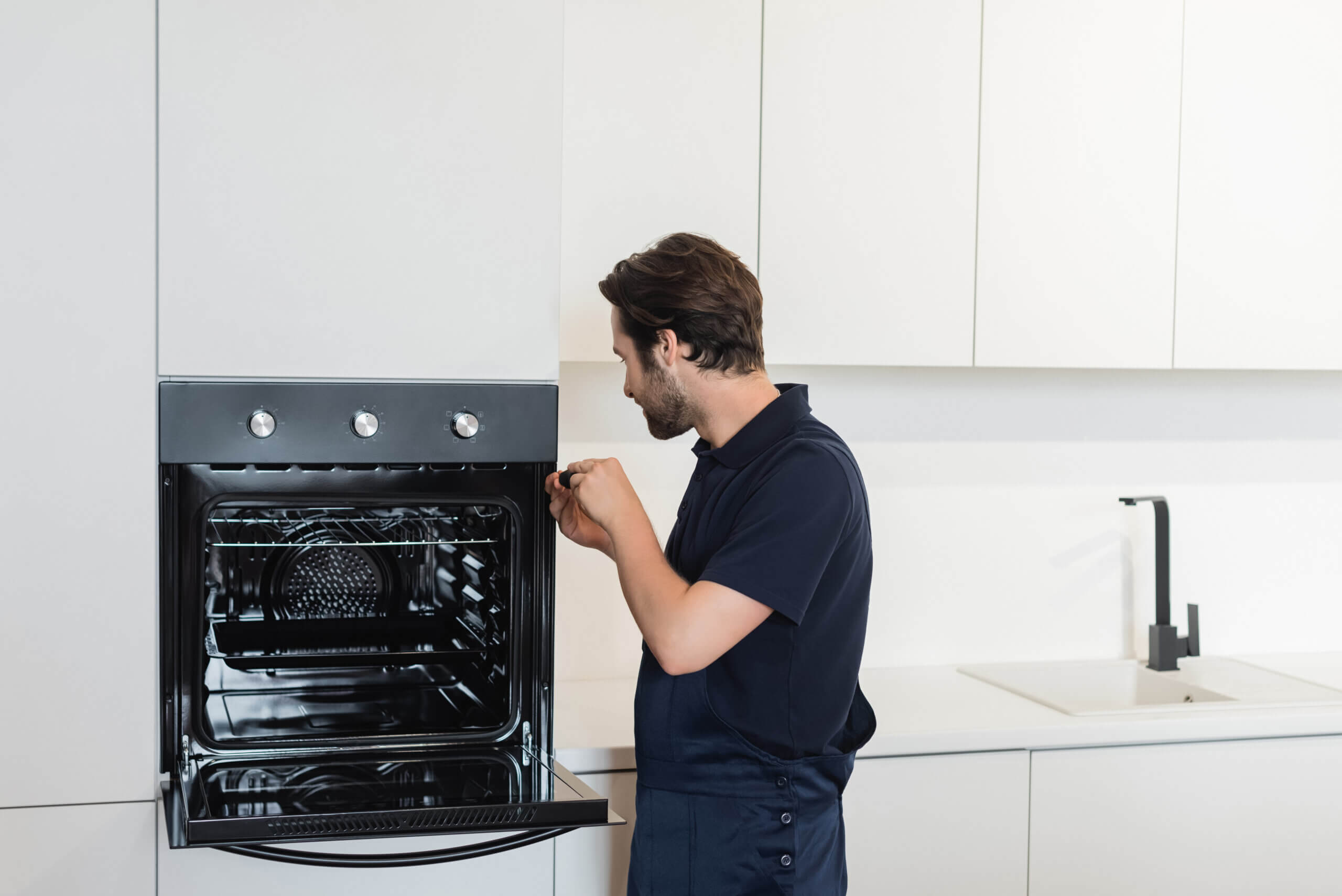
The cost to install an oven typically ranges from $100 to $300, based on your choice of gas or electric model and setup complexity.
Most installations take just 1-2 hours. The process requires more than plugging in an appliance. Australian regulations require you to hire a licensed electrician for electric oven installations – it’s not just recommended, it’s the law. The final cost depends on your home’s electrical system and where you plan to place the oven.
Your budget needs to account for the appliance cost. Built-in electric models start at $415 for simple options. Premium multi-function ovens can set you back more than $10,000. Note that many homeowners don’t factor in installation costs to their total budget.
This piece gets into the most important factors that affect your oven installation costs. You’ll learn what to expect as you upgrade your kitchen with this essential appliance.
Assessing Your Kitchen and Oven Type
You need to get a full picture of your kitchen space and understand different oven types before buying a new oven. This helps you estimate installation costs accurately. Smart choices now will help you avoid unexpected costs later.
Measure available space and layout
The right measurements of your kitchen space will tell you which oven fits your home best. Wall ovens need precise cabinet cutout measurements to fit naturally. Most built-in ovens are 60cm wide, but you can find 75cm and 90cm options if you have a big family or love entertaining.
Your measurements should include the oven’s height and depth, along with the cavity space. Modern built-in models are usually smaller than older ovens, so exact measurements matter. Look for power points or gas pipes behind where you’ll put the oven. This is vital when gas cooktops sit above the oven as they might limit your space.
The Australian Standard AS/NZS 4386.2 lists minimum clearances between cooktop burners and combustible surfaces. It also covers ventilation needs for built-in ovens. You need at least 50mm clearance from the front edge of the bench top to the cooktop cutout.
Choose between wall-mounted and freestanding
Wall ovens and freestanding models each shine in different kitchen designs:
Wall ovens:
- Give you more freedom with the kitchen layout
- Let you pick the perfect height for easy access
- Look modern and clean
- Mix gas and electric options (gas cooktop with electric oven)
- Save floor space in smaller kitchens
Freestanding ovens:
- Cost less to buy and install
- Install more easily without cabinet concerns
- Give you an oven and cooktop in one unit
- Move easily during kitchen updates
- Come in eye-catching designs and colours
Consider electric vs gas oven options
Your choice between gas and electric ovens affects both installation and running costs:
Electric ovens are more common and spread heat more evenly, especially with fans. The dry air they create helps make food crispy and brown. You’ll need a certified electrician to hardwire most electric ovens.
Gas ovens heat up faster and give you better temperature control. They cook with more moisture, which works great for cakes and roasts. Gas ovens cost more upfront but save money over time. A gas oven rated at 10MJ costs about AUD 0.67 per hour to run.
Electric ovens can cost up to five times more to run each year than gas models. So while gas ovens cost more at first, they’re a better investment because they cost less to run.
Installation Requirements and Challenges
Proper oven installation demands close attention to technical specifications and safety standards. Your oven won’t work efficiently if these requirements aren’t met. The warranty could be void, and safety hazards might arise.
Understanding ventilation and clearance needs
Safe oven operation depends on proper ventilation and clearance spaces. Gas cooking appliances in new kitchens need a minimum clearance of 650mm from the top of the trivet to the rangehood’s underside. When replacing an older cooktop in existing kitchens, you can keep the previous standard of 600mm measured from the highest burner point. Australian standards require protection for any downward-facing combustible surface less than 650mm above the cooking vessel supports.
Built-in electric ovens need an air gap of 50-90mm behind the cabinet unless the oven has fan-assisted chassis venting. These clearances help prevent overheating and make your kitchen more comfortable during cooking.
Checking electrical and gas compatibility
Electric ovens need dedicated circuits because they consume significant power (2,000-10,000 watts). Australian Standards require a licensed electrician to install hard-wired ovens to comply with AS3000 standards. The electrician will check your switchboard’s capacity and ensure proper isolation switches.
Licensed gas plumbers must handle gas oven installation to check for leaks and ensure proper connections. The quickest way to avoid complications is to choose an oven that matches your existing fuel supply.
Common installation issues
Problems often arise when preparation isn’t adequate. Common issues include:
- Power supply issues: Undersized electrical circuits or incompatible wiring that needs upgrading
- Improper ventilation: Blocked ventilation ducts that affect performance and safety
- Incorrect placement: Insufficient clearance that prevents oven doors from opening fully
- Levelling problems: Unstable ovens that affect cooking and create safety risks
Professional installation is legally required in Australia unless you’re installing a small plug-in model. DIY installation of hardwired or gas ovens could void your manufacturer’s warranty. Professional installers make sure electrical or gas connections are safe and all components fit properly.
Breaking Down the Oven Installation Cost
Australian oven installation prices range from AUD 137.61 to AUD 917.39. Your location and oven type will determine the final cost. This price guide will help you plan your kitchen upgrade budget.
How much does it cost to install an oven?
A simple electric oven installation starts at AUD 285.92. Complex setups like gas ovens with retractable rangehoods can cost up to AUD 1,021.37. Major cities show price variations. Sydney prices range from AUD 160.54 to 596.31, Melbourne from AUD 160.54 to 840.94, and Perth from AUD 145.25 to 917.39.
Factors that affect oven installation cost
Your final installation price depends on these key elements:
- Oven type: Wall ovens need more complex installation than freestanding models
- Installation complexity: Simple replacements take less than an hour. Complex installations might need a full day
- Location access: Labour time increases with difficult access points, stairs, or outdoor installations
- Additional modifications: New wiring, cabinet adjustments, or gas fitting installations add many more costs
Electric oven installation vs gas: cost comparison
Electric oven installation prices fall between AUD 305.80-611.60. Gas oven installations cost from AUD 305.80-458.70. In spite of that, gas ovens often prove more economical long-term due to lower running costs.
DIY vs Professional Installation: What to Know
The decision between DIY and professional oven installation comes down to balancing cost savings with safety and legal requirements. You can save money and avoid risks by knowing which approach works best for your situation.
When DIY might be possible
Simple electric ovens that plug into standard outlets can be suitable for DIY installation. The setup process usually involves positioning the oven and connecting it to a power outlet. However, you should still get a qualified installer to check your existing wiring because newer ovens typically need more power than older models.
Why professional installation is often safer
Poor installation creates serious risks beyond just inconvenience. This becomes especially important with gas ovens, where DIY attempts can lead to:
- Gas leaks can cause fire, explosion, or carbon monoxide poisoning
- Electrical hazards from wrong wiring connections
- Poor ventilation that releases harmful emissions
Standards Australia reports that incorrect installations cause more than 60% of domestic gas incidents each year. Professional installers have the right training, tools, and experience to handle these complex systems safely.
Legal and warranty considerations
Australian regulations strictly control oven installations. Licensed electricians must hardwire electric ovens rated above 3kW, and licensed gas fitters must handle all gas appliance installations. DIY installation will void your manufacturer’s warranty and could nullify your home insurance coverage. The Australian standard AS/NZS 3000:2018 also requires installers to provide a certificate of compliance after completing electrical work.
Conclusion
Buying a new oven isn’t just about the sticker price — installation, safety, and long-term running costs all matter. By planning ahead, measuring accurately, and working with licensed professionals, you can avoid costly surprises and enjoy a safe, efficient kitchen upgrade.
At K & J Burns Electrical, we handle everything from precise measurements to compliant installation, so you can get cooking faster and with total peace of mind. Contact us today for a detailed quote and expert advice on your new oven installation.
FAQs
How much does it typically cost to install an oven?
Oven installation costs generally range from $100 to $300, depending on factors such as the type of oven (gas or electric) and the complexity of the installation.
Can I install an oven myself?
While small plug-in electric ovens might allow for DIY installation, it’s generally safer and legally required to have a professional install most ovens, especially gas ovens or hardwired electric models.
What should I consider when choosing between a wall-mounted and freestanding oven? Consider factors like kitchen space, flexibility in layout, ease of installation, and cost. Wall ovens offer a streamlined look and custom height installation, while freestanding ovens are generally less expensive and easier to install.
Are there any hidden costs I should be aware of when installing an oven?
Yes, potential hidden costs include permit fees, inspection charges, call-out fees, and modifications to existing cabinetry or ventilation systems. It’s best to request a detailed quote to avoid surprises.
How do gas and electric ovens compare in terms of installation and running costs?
Electric ovens typically have lower initial installation costs but higher long-term operating expenses. Gas ovens often cost more to install initially but can be more economical to run, potentially saving money over time.